Streaming Graph Get Started
It's been said that graphs are everywhere. Graph-based data models provide a flexible and intuitive way to represent complex relationships and interconnectedness in data. They a...


It's been said that graphs are everywhere. Graph-based data models provide a flexible and intuitive way to represent complex relationships and interconnectedness in data. They a...
After more than 25 years in the data management and analysis industry, I had a brand new experience. I attended a technical conference. No, that wasn’t the new thing. At many co...
This lightning talk will highlight two approaches to real-time entity resolution on streaming data using the Quine streaming graph.
Uses for individual data engineering technologies are often broadened to more than just interacting with databases. The same goes for graph database techniques and, specifically, the leading language for building and querying graph databases - Cypher.
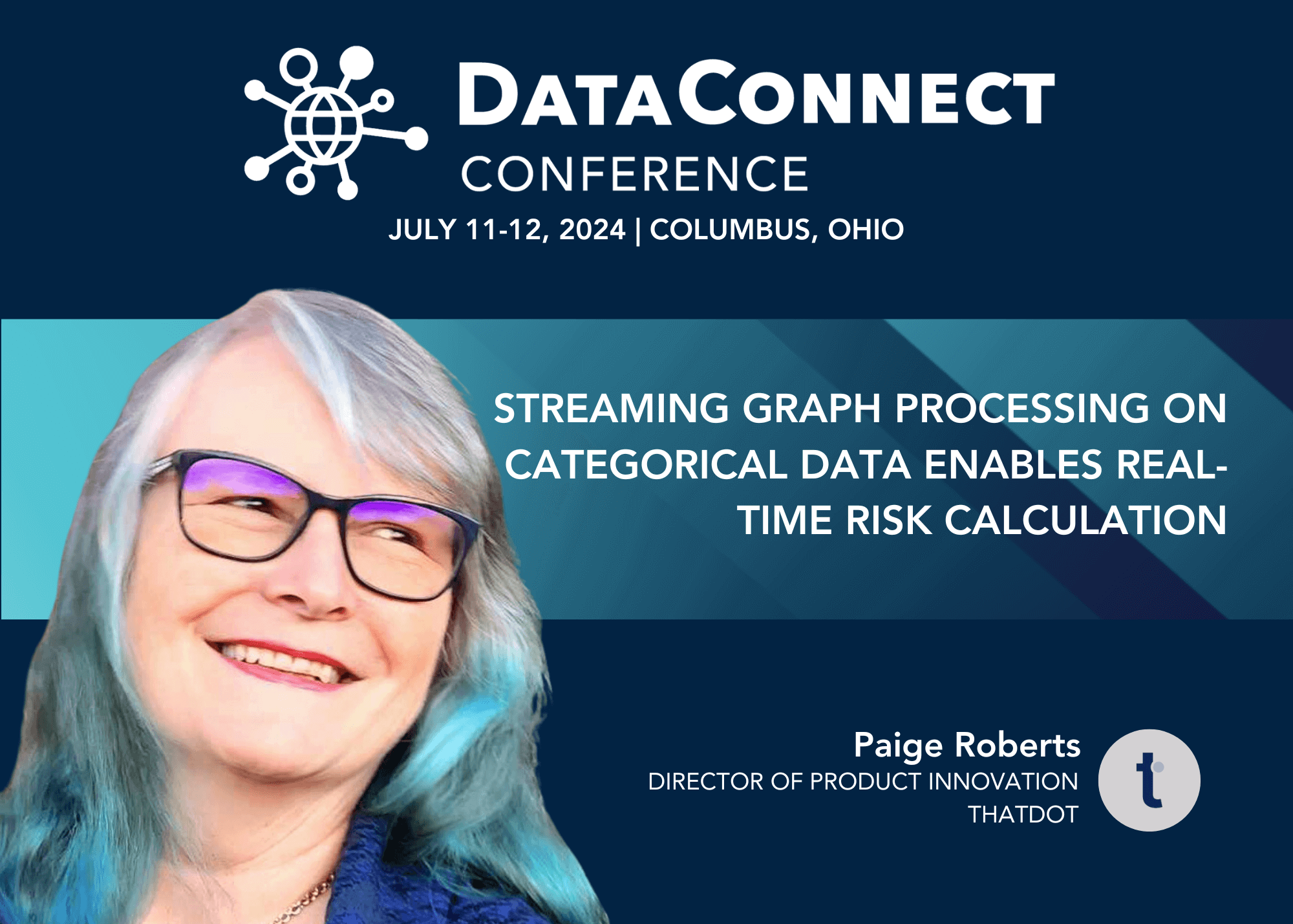
The failure of Silicon Valley Bank in 2023 exemplifies the severe consequences of not accurately assessing risk in a timely manner. Although nearly every financial institution p...

Discover how thatDot's migration to Pekko from Akka not only ensured functionality and community support but also reduced maintenance burden, avoided extra expenses for SAAS products, and provided access to new libraries and community releases.
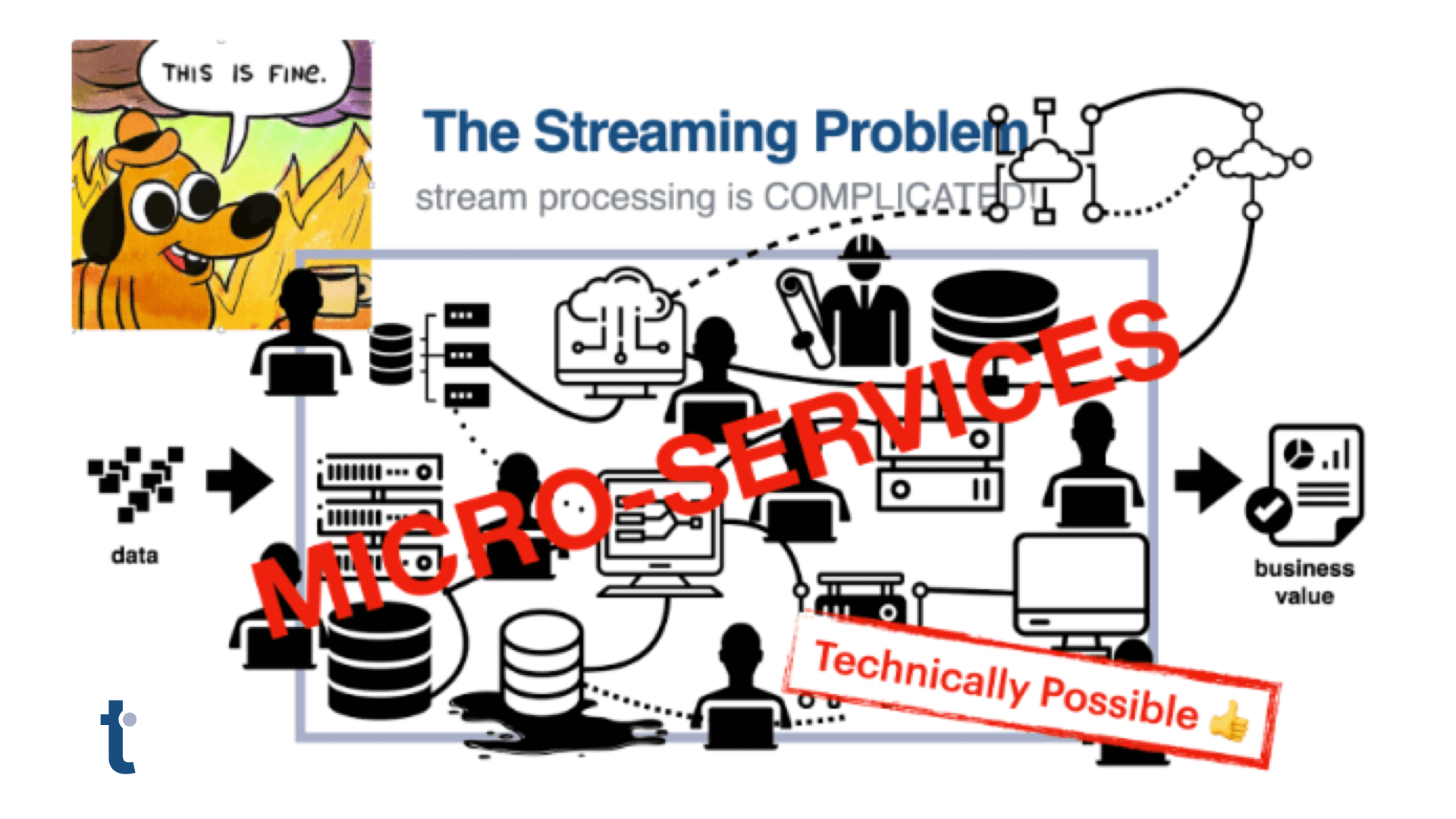
Exploring the challenges of data processing in microservices, the article introduces thatDot's Streaming Graph, which seamlessly integrates various data sources like Apache Kafka, AWS Kinesis, and more.
View the latest release of thatDot Streaming Graph (v1.6.1), highlighting new features such as data persistence in ClickHouse, namespace management, robust Kafka integration, simplified queries, and error fixes related to Cypher query compilation.
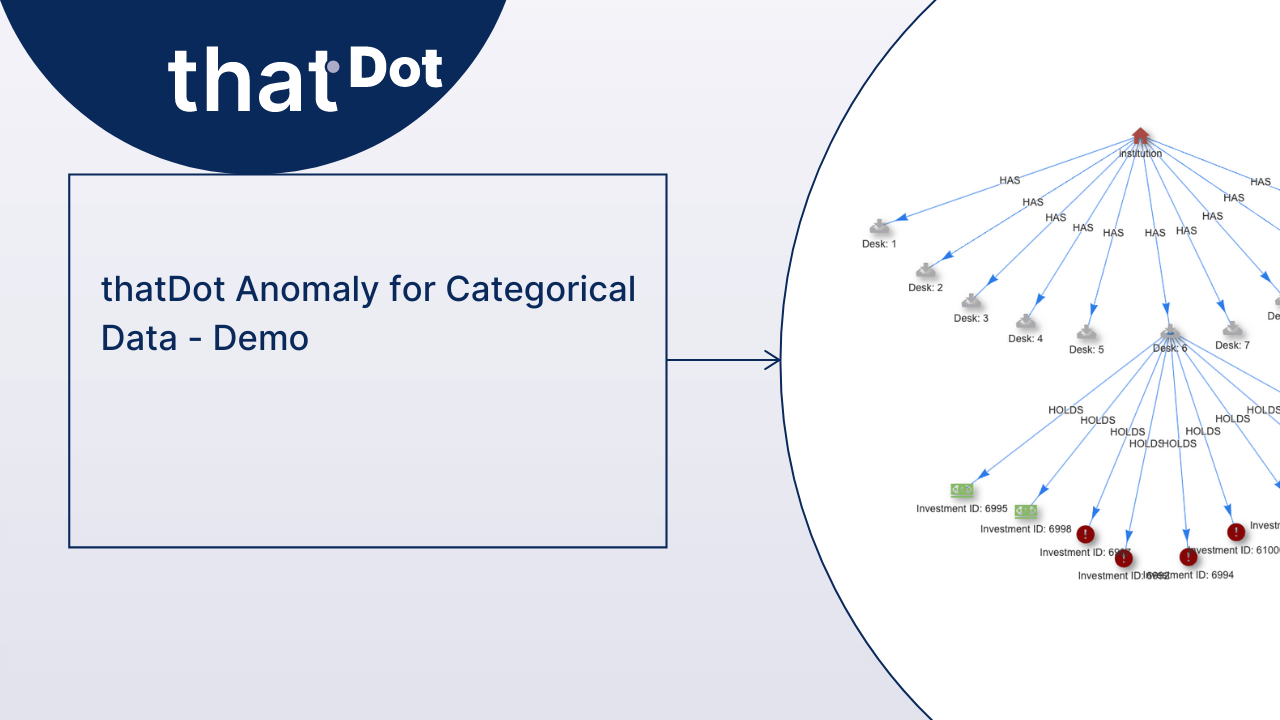
A 12-minute walkthrough of thatDot Novelty analyzing CDN logs for anomalous activity, using a Jupyter notebook.
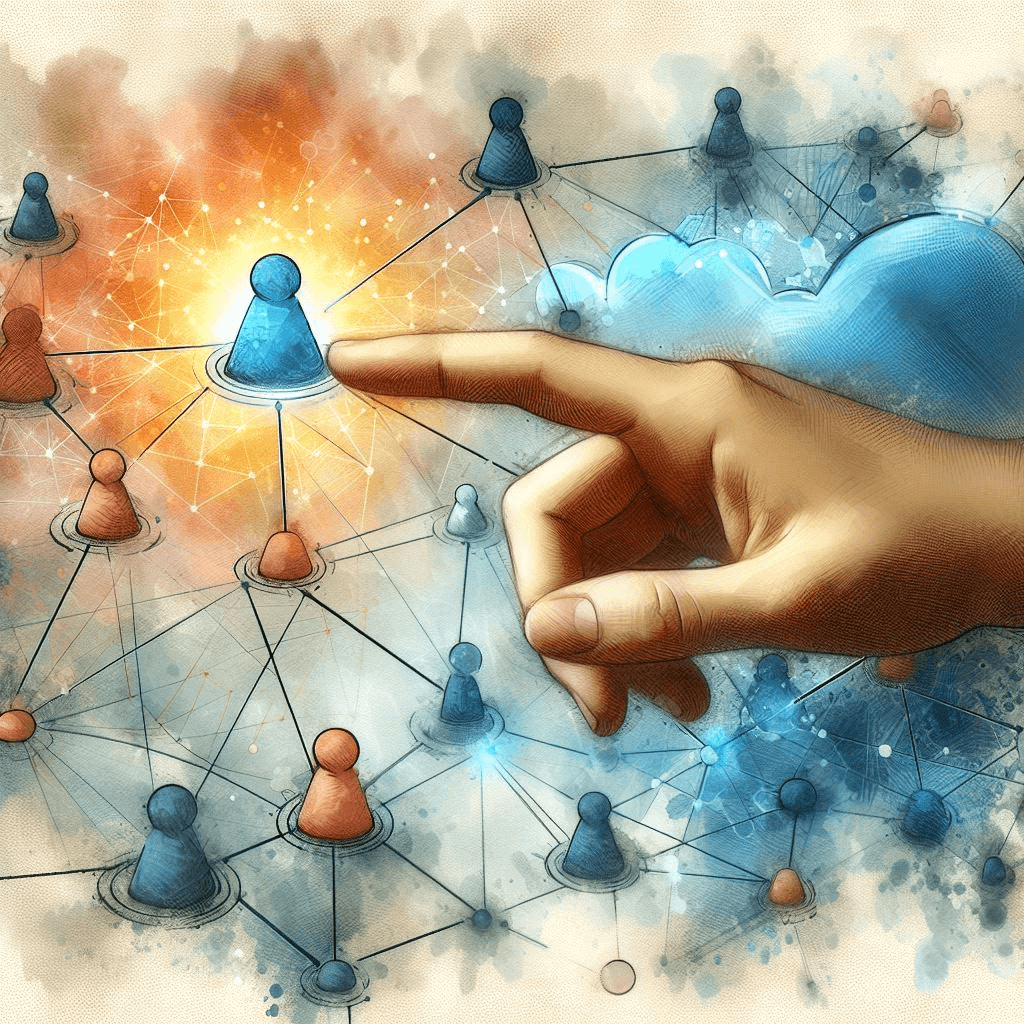
Anomaly detection is a technique for finding important data. Decades of research has been spent on creating tools for anomaly detection with numeric data. But most data produced...
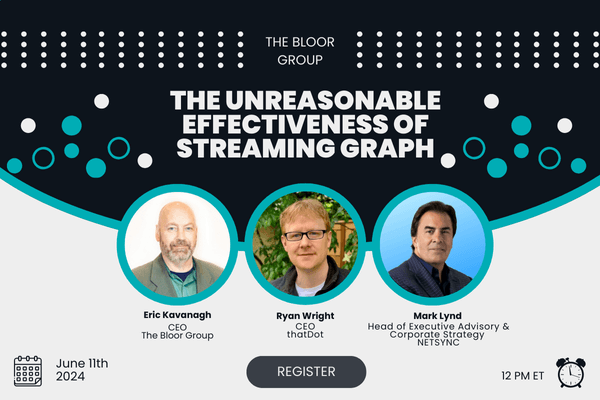
We would like to invite you to an exclusive webinar featuring thatDot’s CEO, Ryan Wright, and The Bloor Group CEO, Eric Kavanagh, along with Top 5 Global Cybersecurity Thought L...
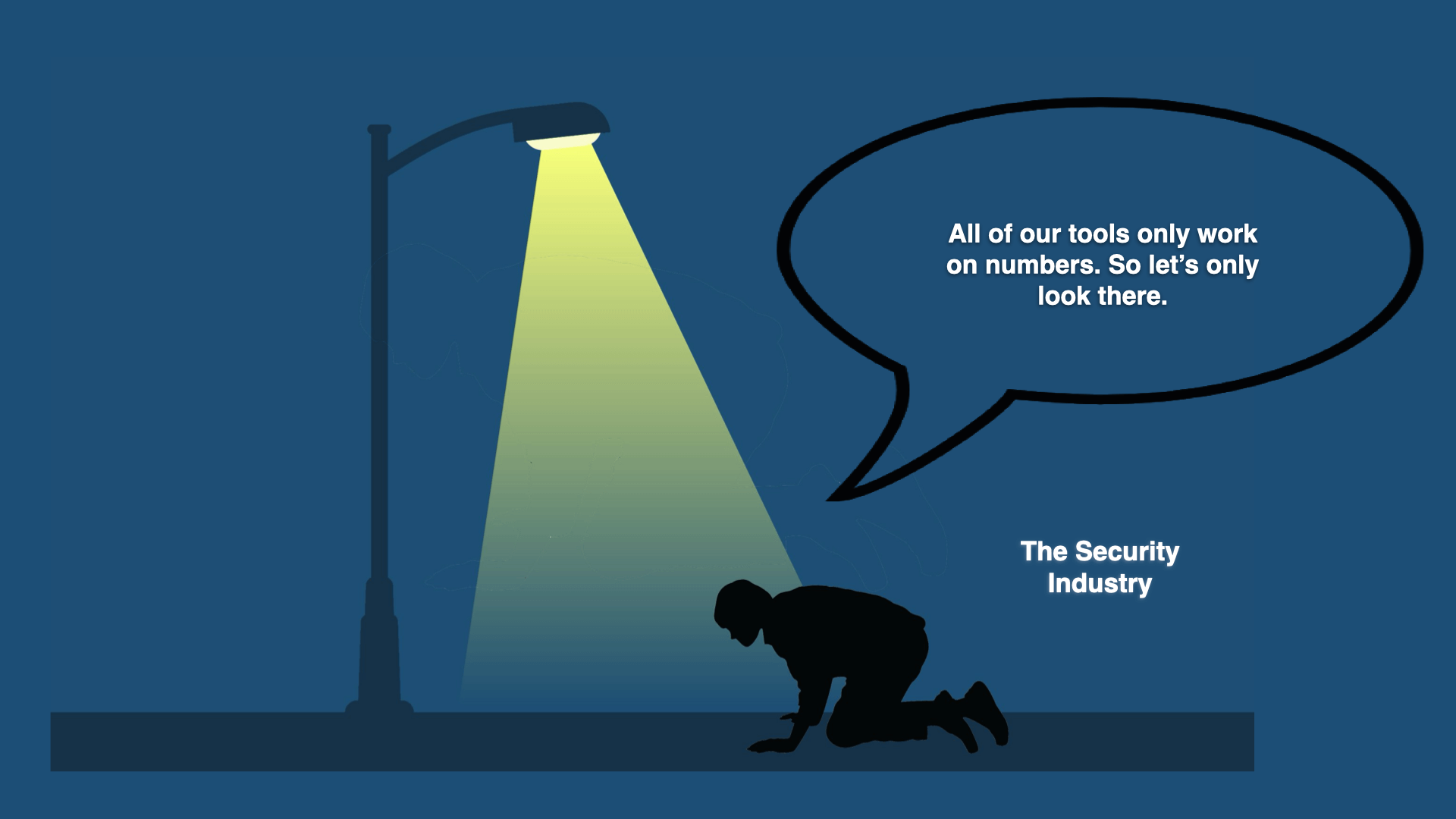
Explore the transformative benefits of streaming analytics in graph form, including real-time insights, deep relationship analysis, immediate categorical data processing, and drastically reduced mean time to value (MTTV).

Standards-based threat detection & automated response using Quine streaming graph.
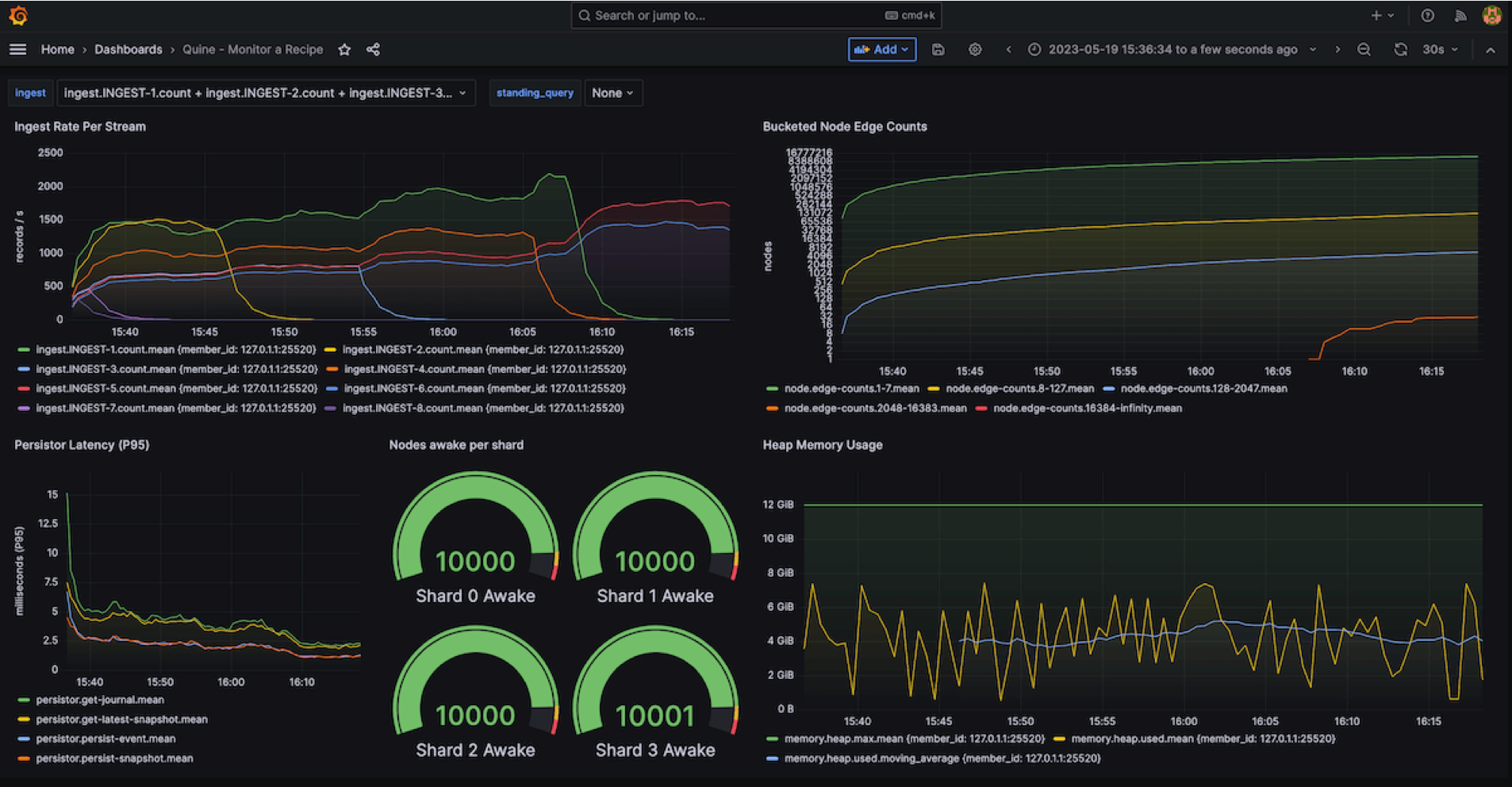
Monitoring tools like Grafana work well with Quine but there are a few things to keep in mind when monitoring data in motion.
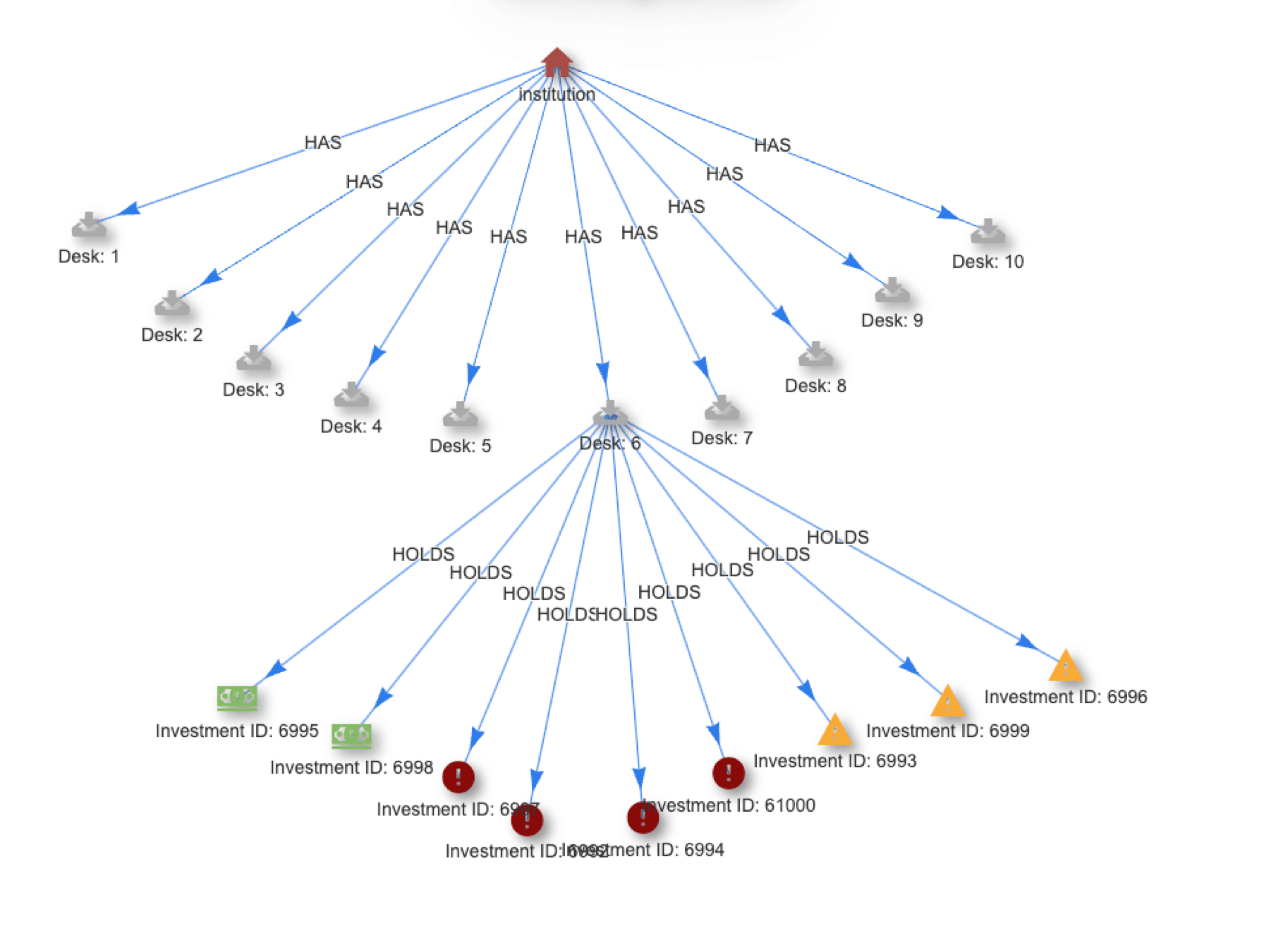
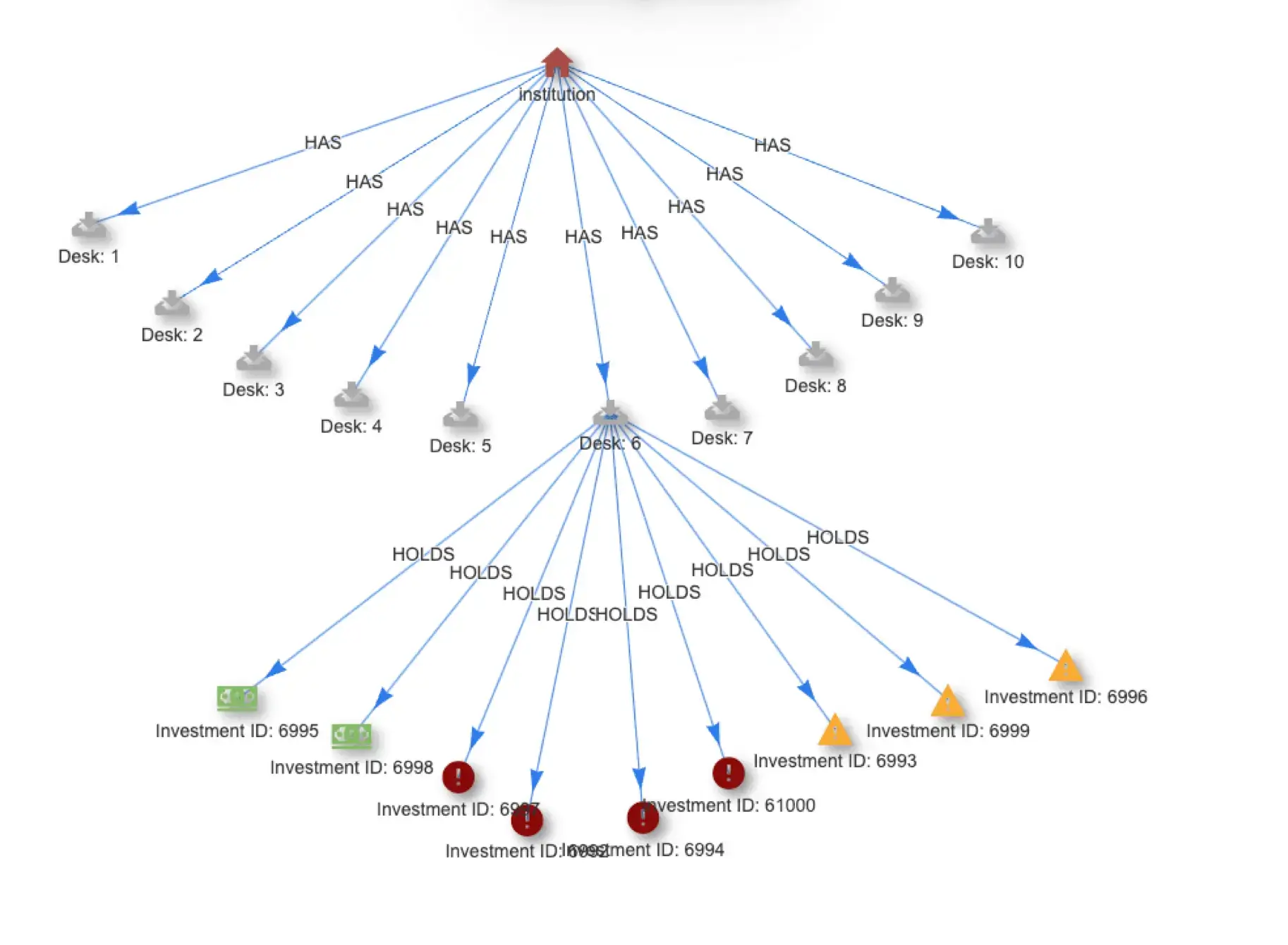
Asset allocation and risk calculations need to move from batch to real time to free assets and improve compliance. Quine Streaming Graph provides a path.
Add some flair to your Quine streaming graph visualizations while learning about the API at the same time.

In a big update to the VAST Advanced Persistent Threat blog, we demonstrate an end-to-end Quine plus Novelty Detector workflow.

idFrom() seems like a simple function for generating node IDs but it is the key to Quine's ability to find complex patterns in high volume event streams.
Indicator of Behavior (IoB) analysis is extending beyond the cybersecurity domain to offer new value for finance, ecommerce, and especially IoT use cases.

Quine's standing queries, idFrom + deterministic labelling can be use to efficiently create any subgraph you need (e.g. sequence based) in real time. This makes alerts more timely and root cause analysis more efficient.
Quine 1.5 includes support for graph neural network techniques like Node2Vec and GraphSAGE. This post provides an overview and tutorial.

Categorical data is an oft-ignored source of valuable business intelligence. Quine makes it easy to process categorical data with your existing ETL pipeline.

thatDot's iteratively improving the developer experience: who is Streaming Graph built for, what jobs do they tell us they need to get done.
Quine 1.4.0 release includes improvements for scalability, stability, and supernode mitigation plus work key to reaching 1M events/sec.
For digital twins to be truly useful in business operations, they must be able to drive actions and do so the instant an issue emerges, perhaps even beforehand.
Stream processing offers the opportunity to detect important patterns in information and act in real time.
Watch Quine in action. Learn about graph ETL uses cases from three recent live demos.
Upcoming Community Events - Workshops, Developer Days, and Conferences in October 2022
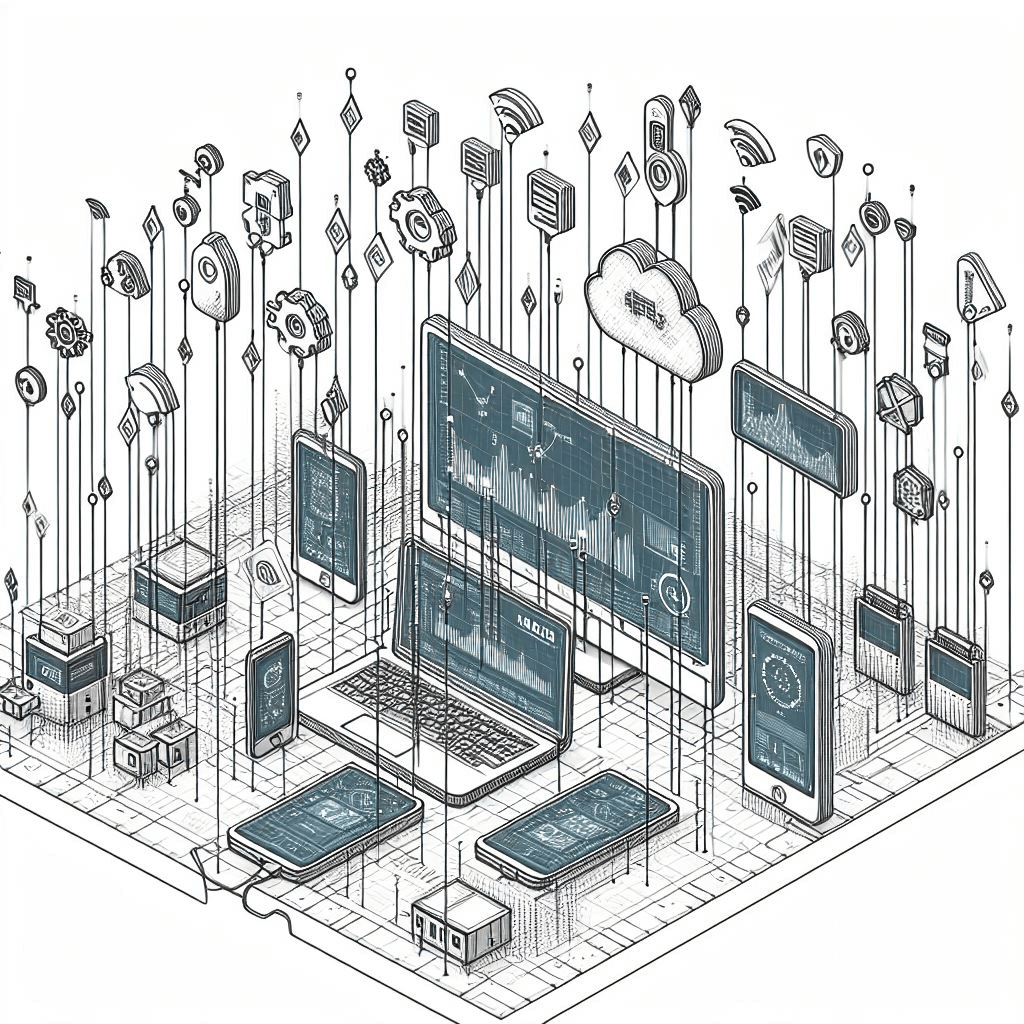
Learn how Quine achieves groundbreaking performance for real-time complex event processing and how you can reproduce the results.
Real-time video observability presents a number of data engineering challenges that graph ETL can solve.
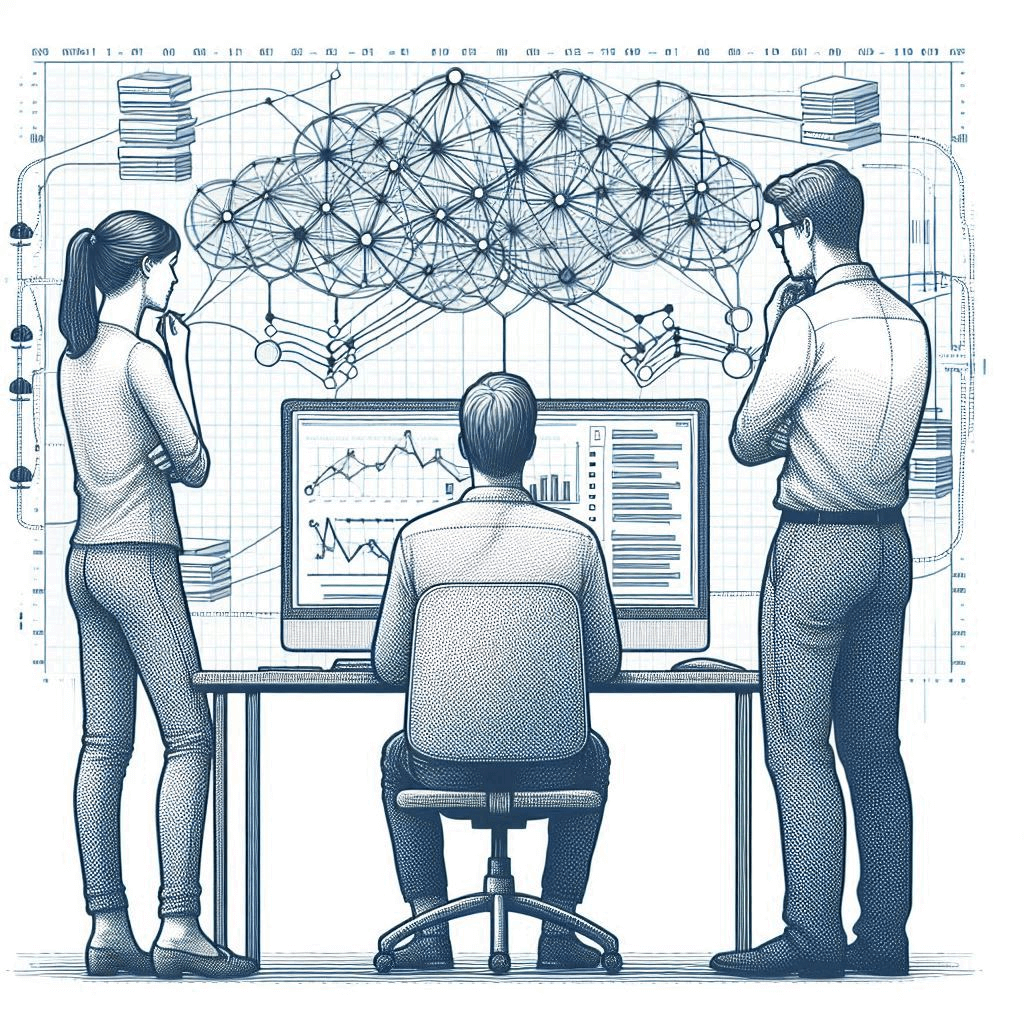
Quine streaming graph detects hard to find password spraying attacks for IAM providers and enterprises alike.
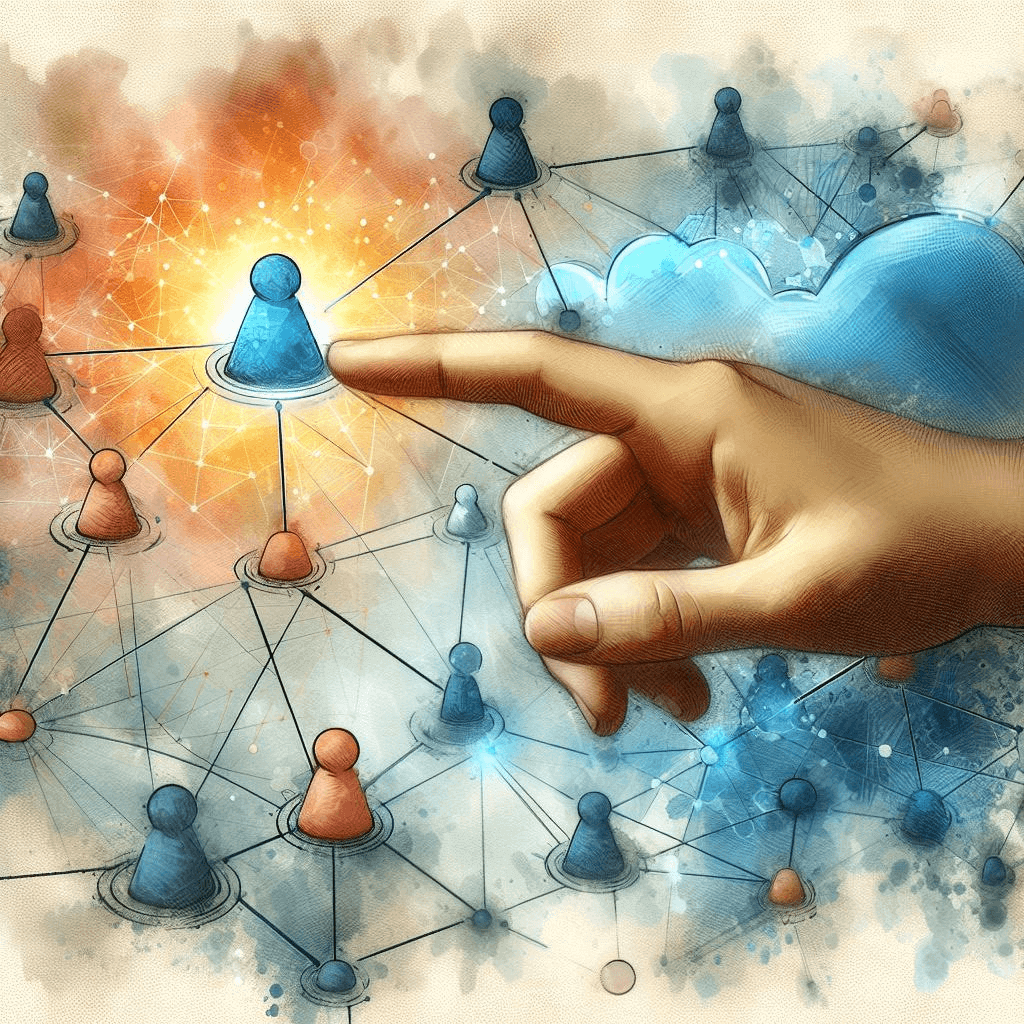
Categorical data is enormously useful but often discarded because, unlike numerical data, there were few tools available to work with it until graph DBs and streaming graph came along.
Learn how easy it is to use Quine streaming graph's idFrom function to deduplicate Kafka (or any other) event streams.
Quine reduces Splunk and New Relic costs by evaluating data as it arrives and making choices to store or discard based on the value of the data.
Standing queries let you embed business logic in your real-time graph analytics workstream.
Quine 1.3.0 is out and includes features, recipes, and documentation all aimed at improved streaming graph usability.
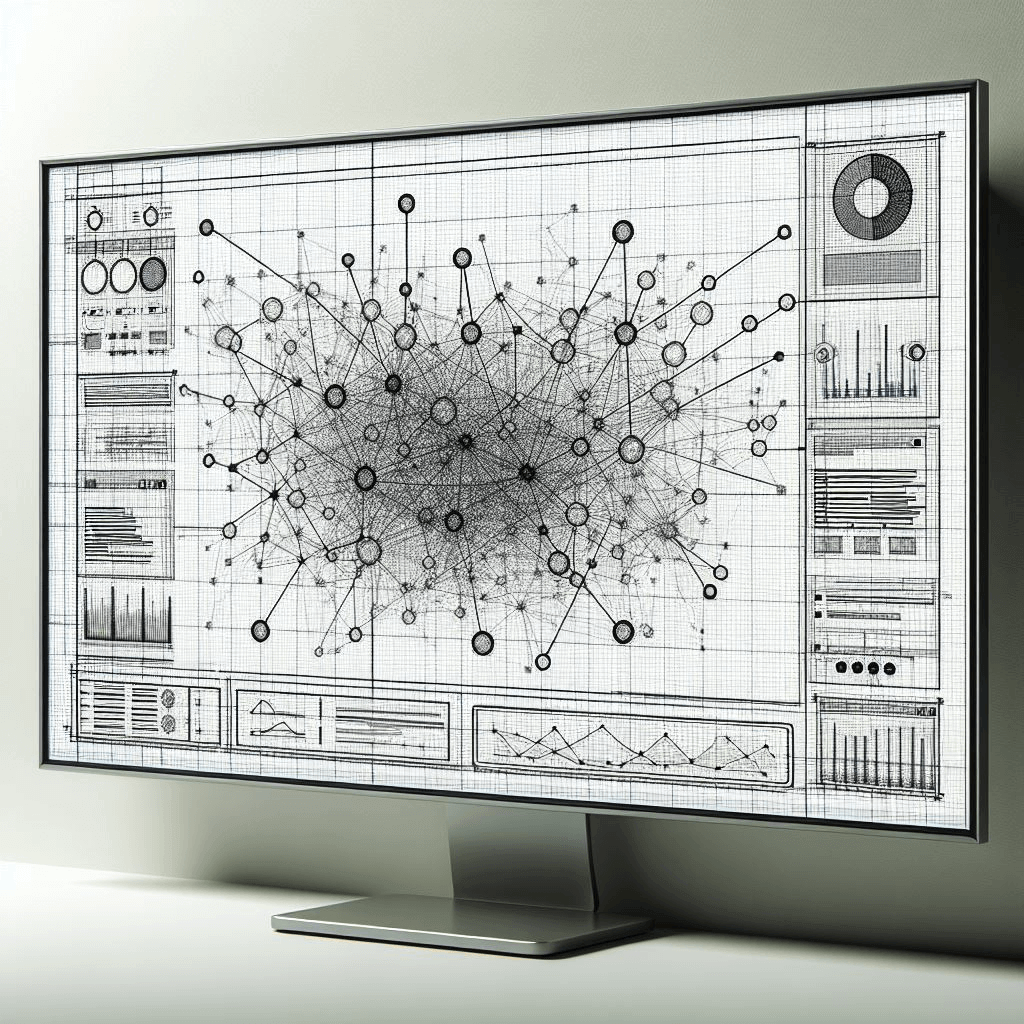
As graph database adoption accelerates, new data infrastructures like streaming graph will emerge to eliminate the scale struggles of graph databases.
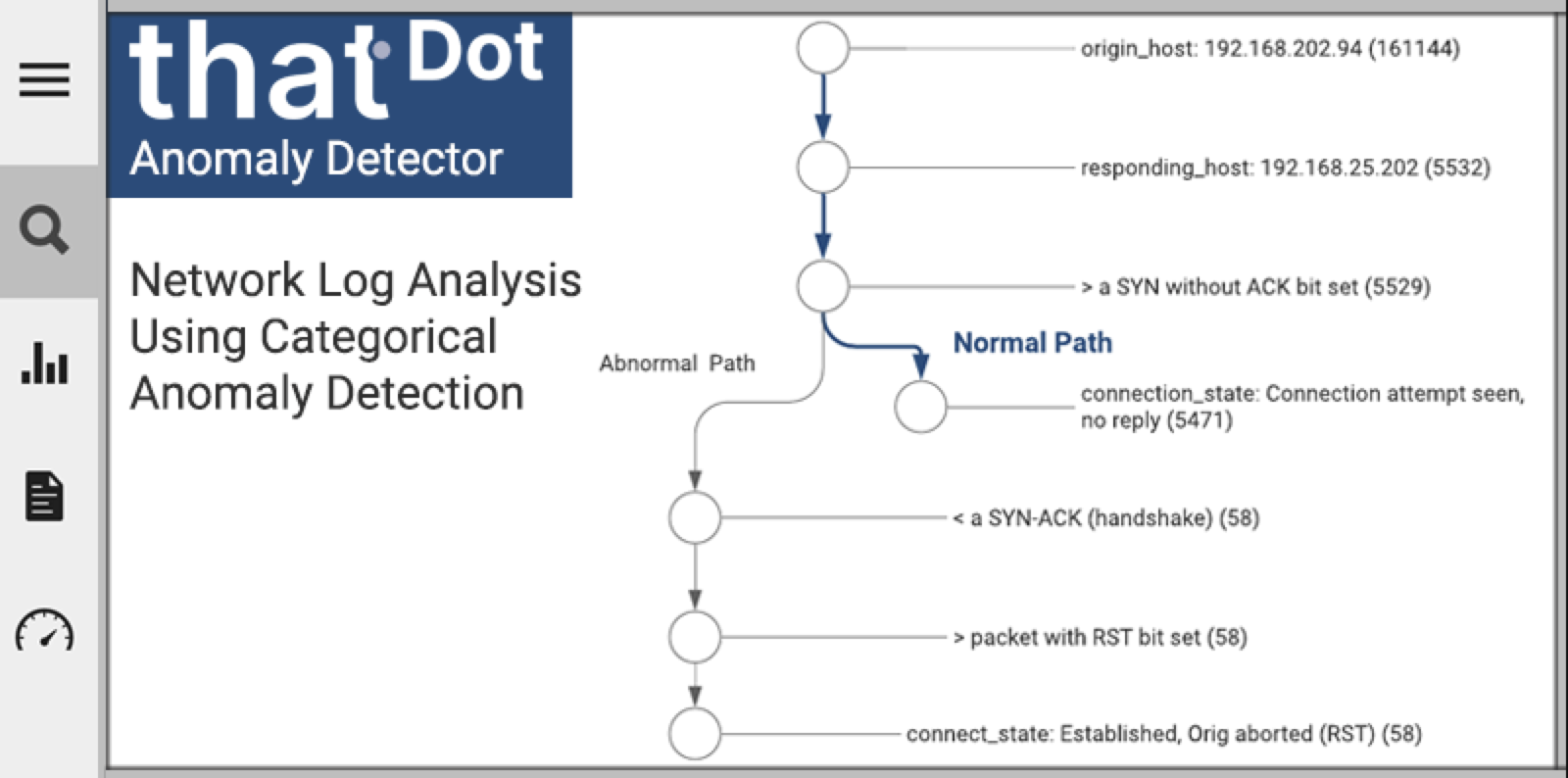
The distributed nature of modern virtualized software architectures has created added complexity in the networking stack, making it difficult to attribute behavior to any single service.
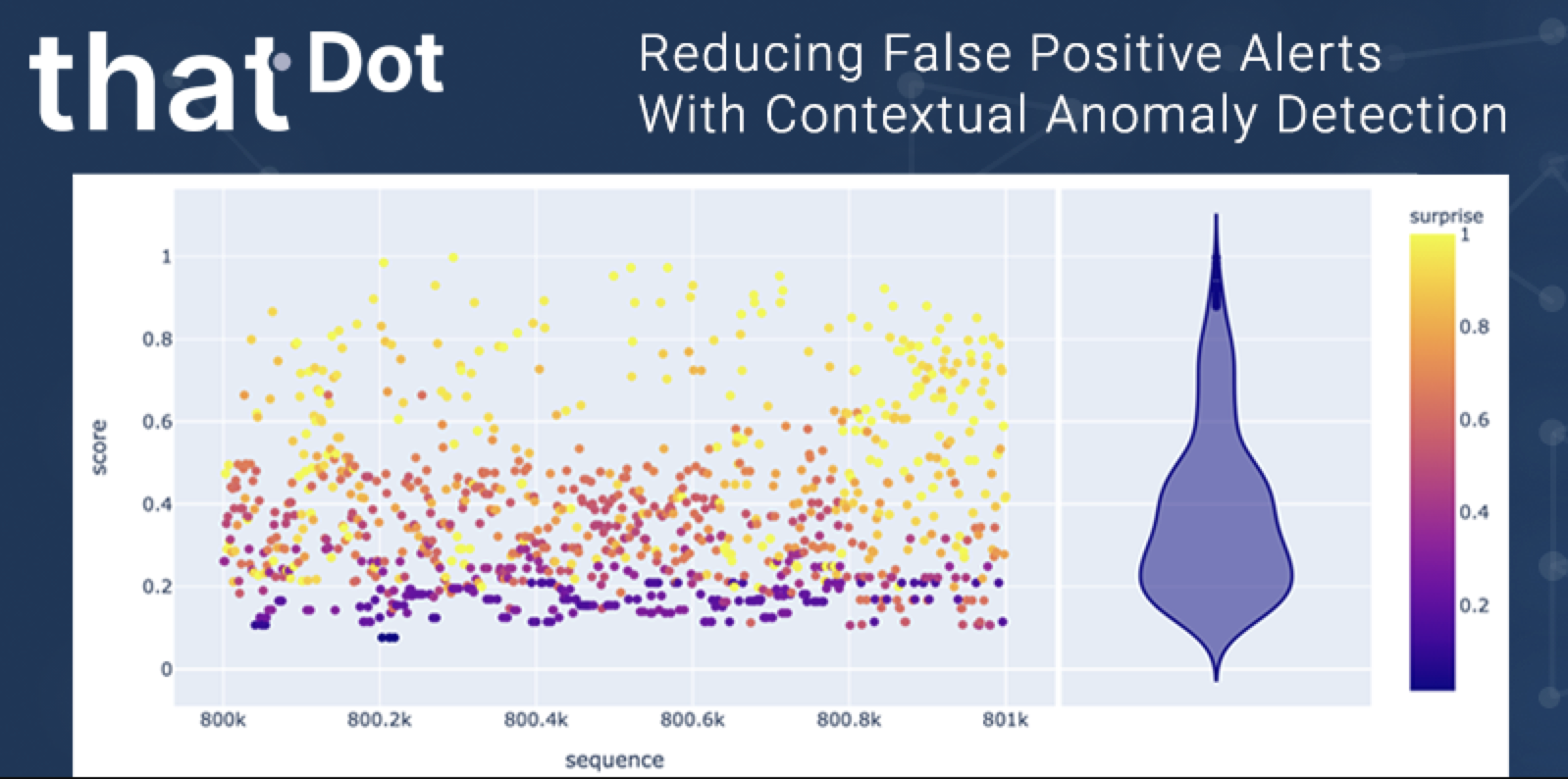
Traditionally, monitoring alerts are produced comparing metrics against thresholds to identify behavior outside the norm.
Quine is a natural fit for Kafka data pipelines. Consume data from Kafka topics, publish processed data to Kafka topics.
Blog #5 in the Ingesting Data series. A step-by-step guide to adding Quine's high-volume graph analytics inline with your Kafka-based event streams.

Cloud architectures enable a new level of integration with 3rd party systems and data sources to deliver the services our users and customers are looking for.
This blog shows you how Quine streaming graph can ingest multiple log formats to create a single, unified streaming graph for real-time analysis.
Ingest multiple data sources into Quine in order create a single streaming graph. ETL basics and Cypher queries are covered.

As crypto currencies go mainstream, better techniques for protecting users from fraud are needed. Enter streaming graph.
A step-by-step guide to ingesting data into Quine from live internet streams. ETL basics and Cypher queries are covered.
Part one in a series connecting different data producers to Quine streaming graph. Use Cypher to create ingest queries (ETL).
Quine 1.2.0 release sees significant new features, recipes, and performance enhancements.
With the strategic investment from CrowdStrike, thatDot plans to accelerate development of Quine streaming graph and accelerate community adoption.
Stop approaching streaming data the same way you do persistent data. Teach the stream to tell you when something interesting happens.
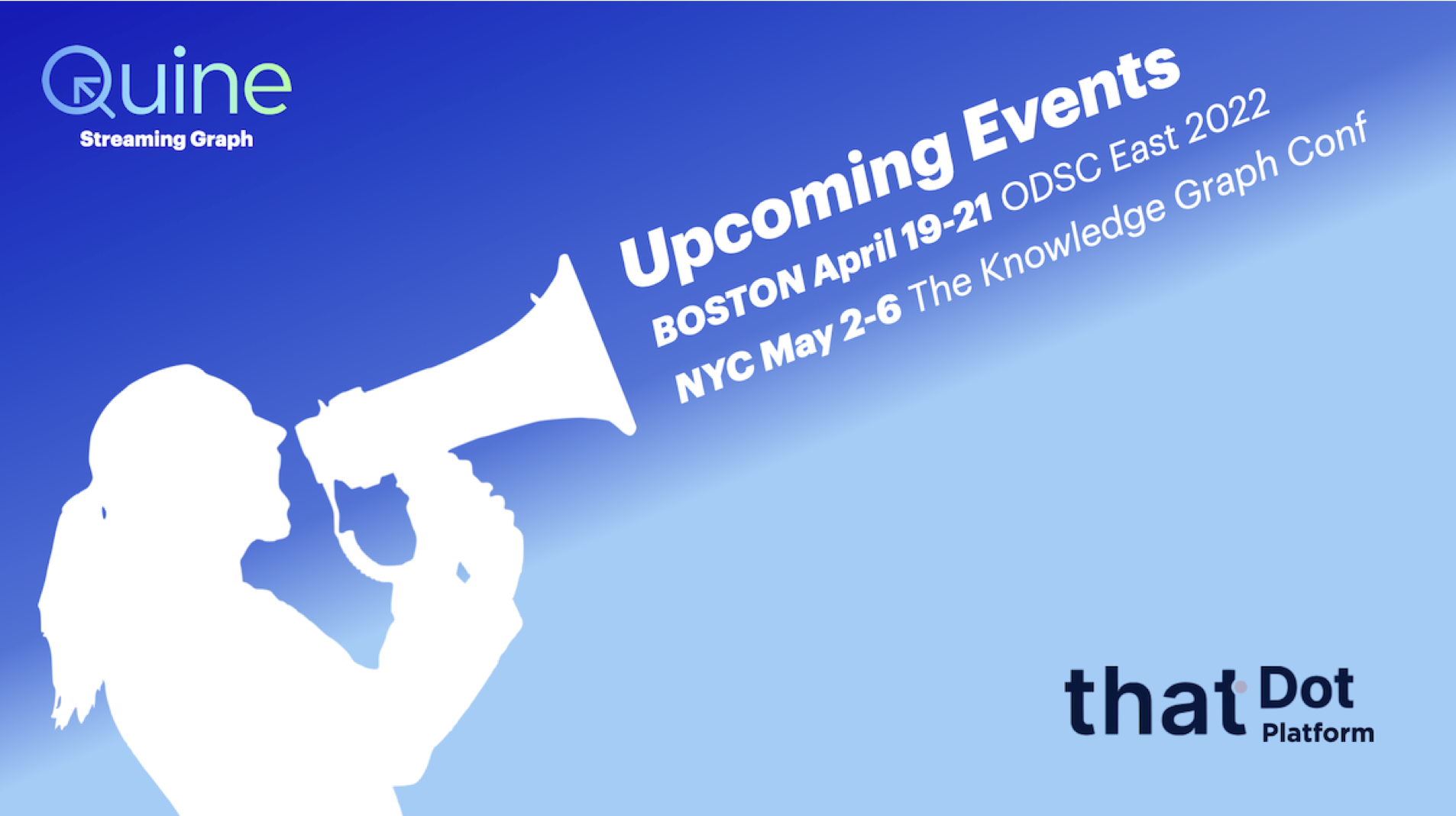
A list of upcoming events plus links to videos of recent presentations, all introducing Quine streaming graph concepts.
Advice and key concepts about Quine streaming graph that will accelerate your development.
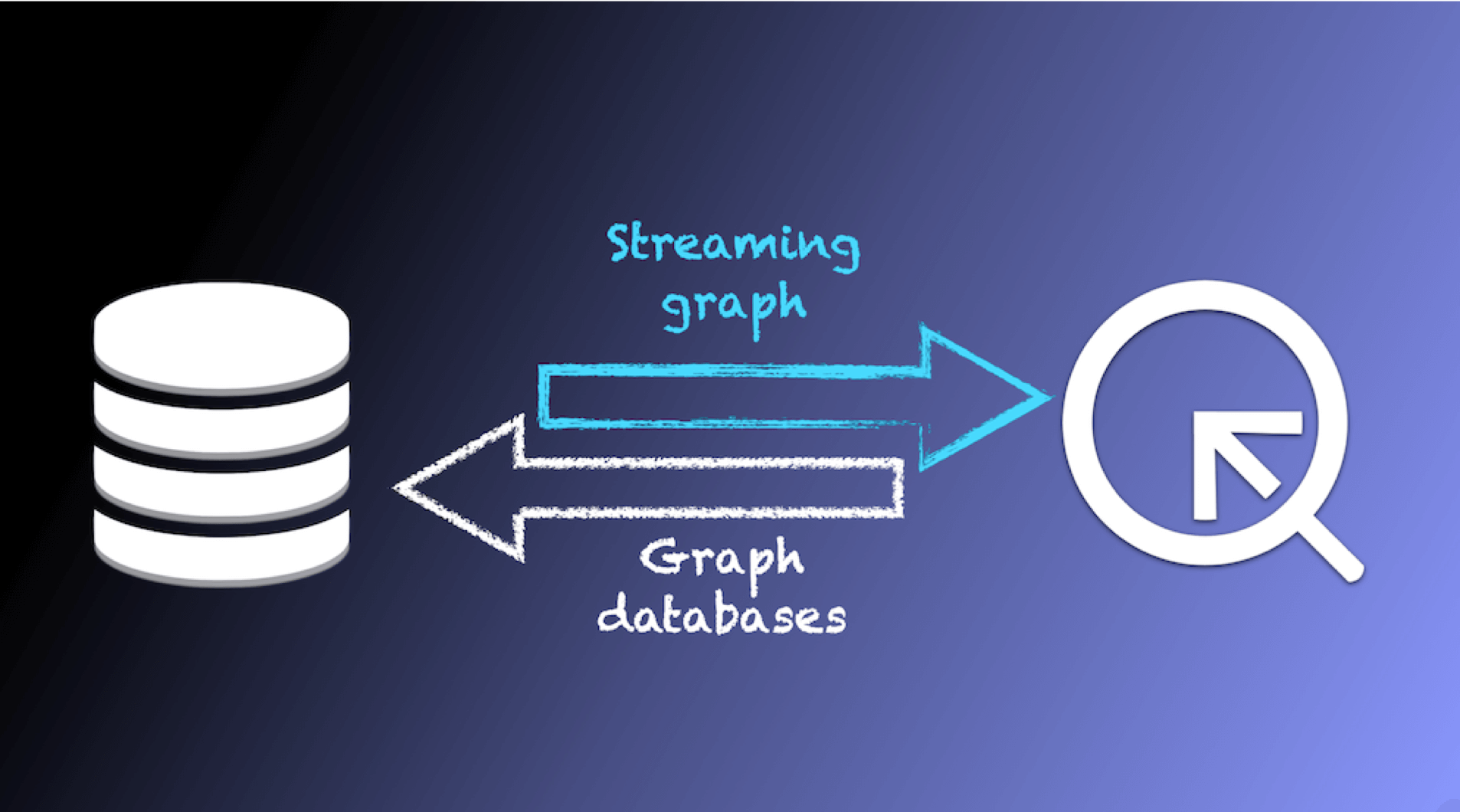
When it comes to event-driven applications, graph database users require a new approach: streaming graph.
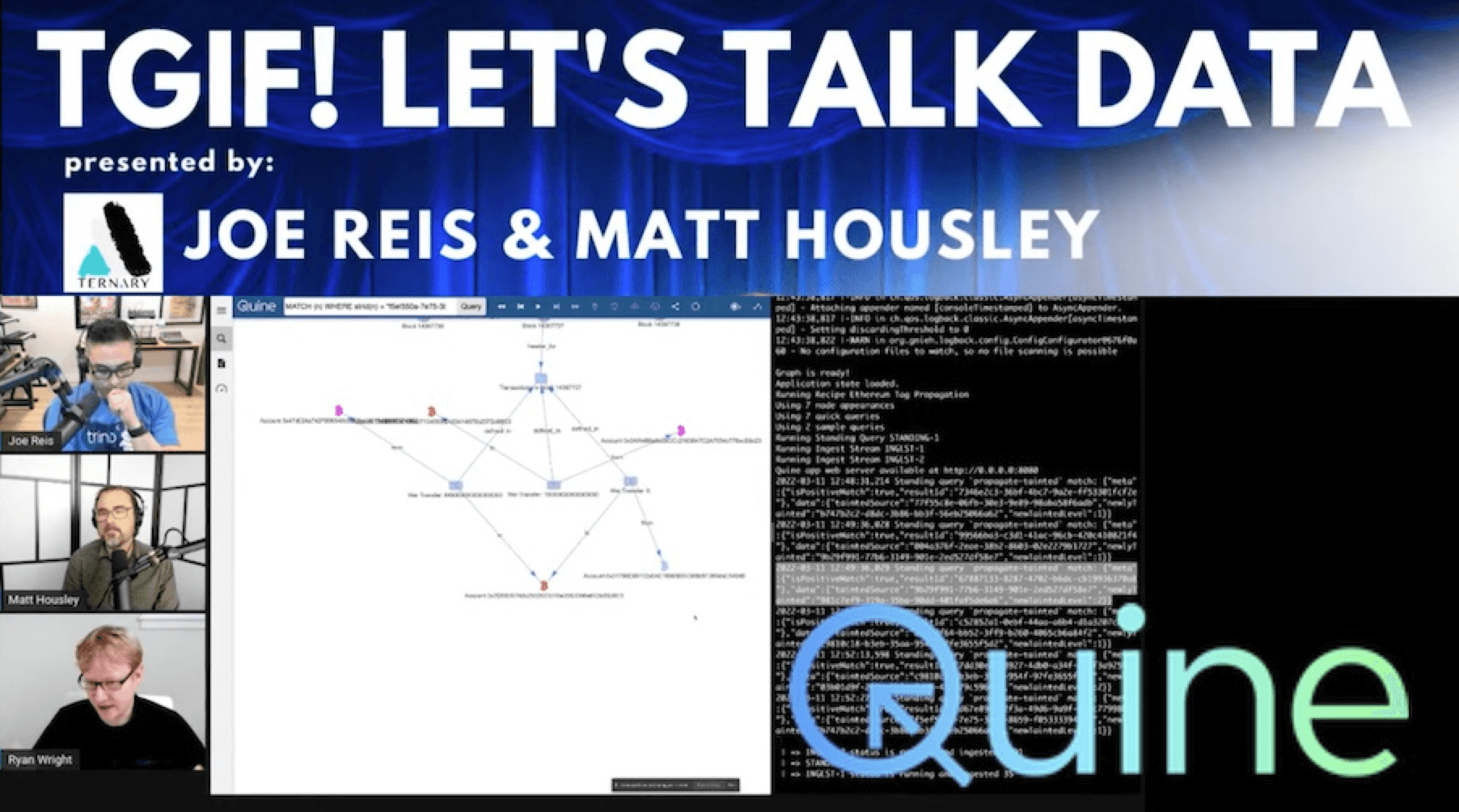
Ryan Wright (CEO of thatDot) joins Joe Reis and Matt Housley on the TGIF! Let's Talk Data live show to chat about streaming graphs.
Quine Recipes make it dead easy to connect to your real-time event streams and turn them into stateful streaming graphs
Matthew Splett from Tripwire explains how he replaced complex SQL queries with succinct Cypher queries to process rollup data.
thatDot Releases First Open Source Software to Combine Complex Event Streaming and Graph Data Technologies for Data Pipeline Engineers
Bringing cloud-based data management into the enterprise data center, where much enterprise data still lives, is now simpler than ever.
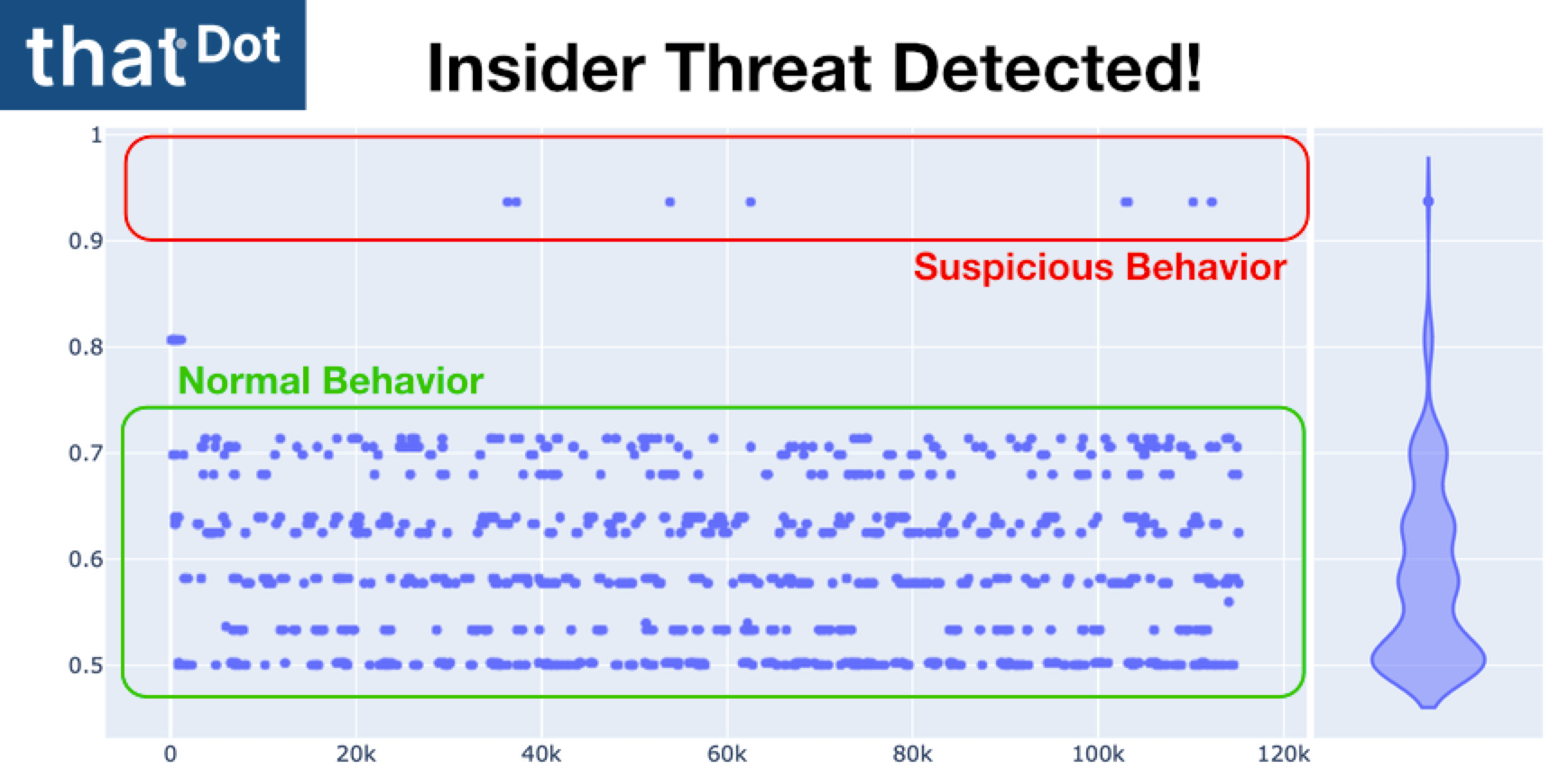
Advanced: Finding a malicious employee is one of the toughest cyber-security challenges in the industry.
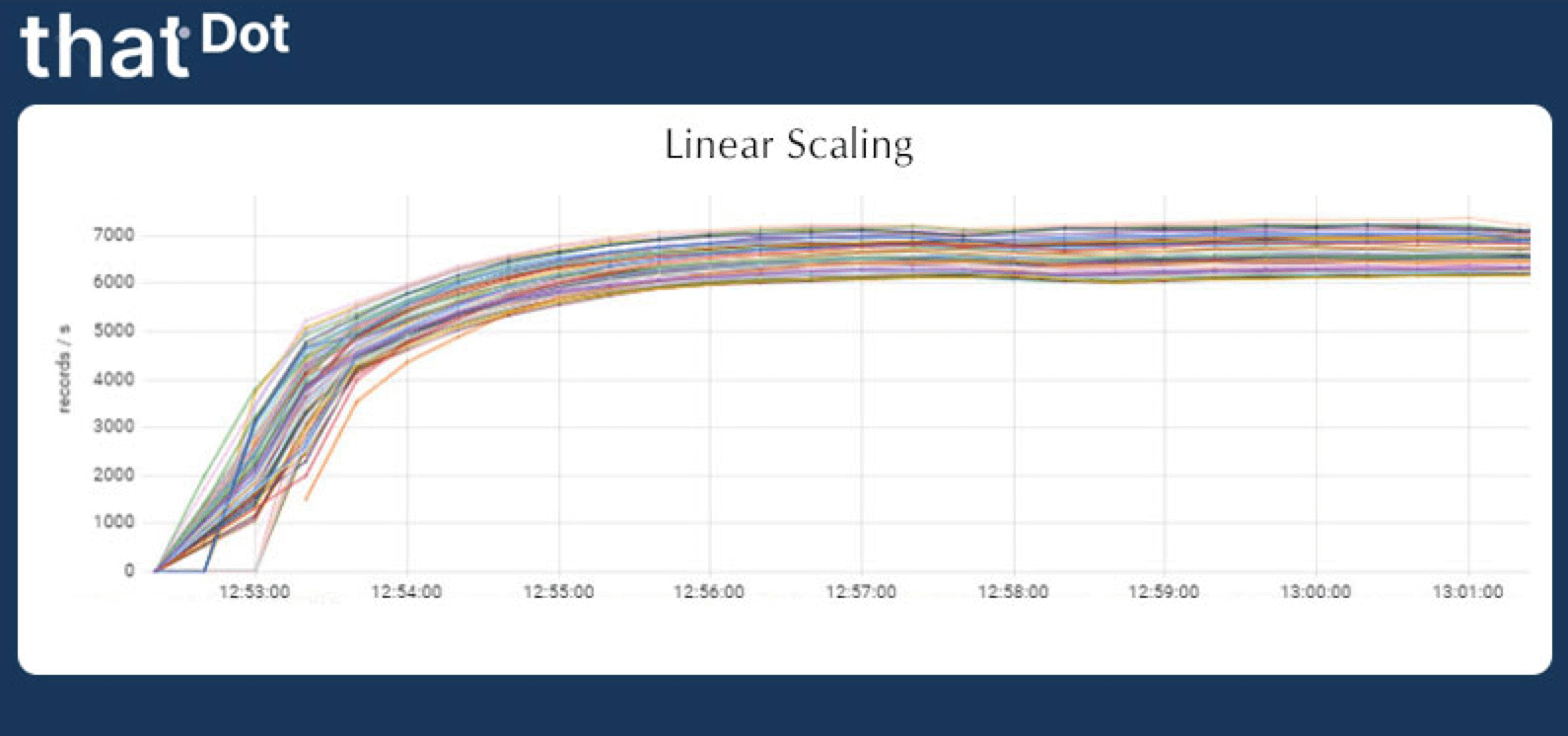
Learn how Quine streaming graph achieved a sustained rate of recording 425,000 records per second into our streaming graph.
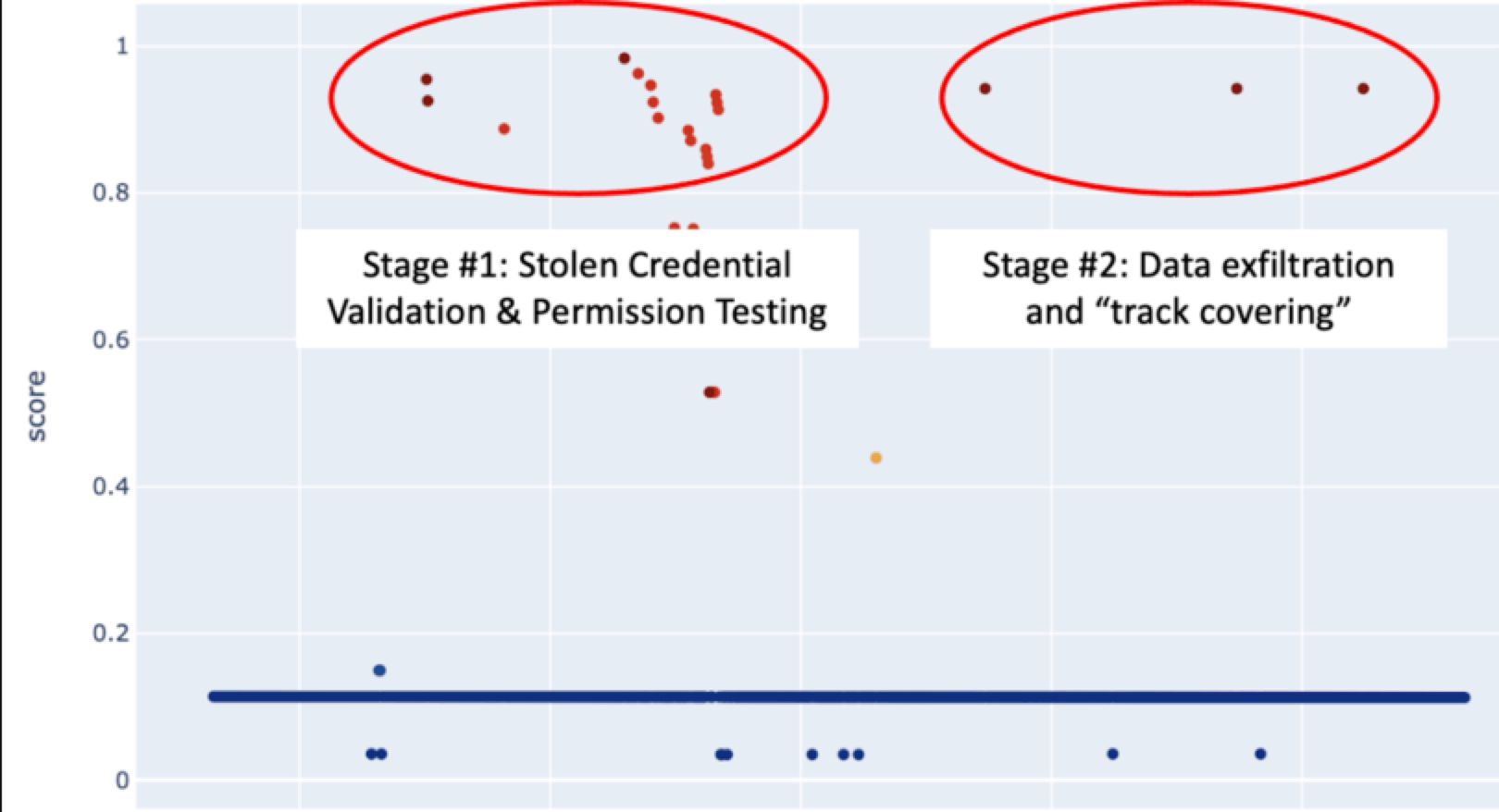
This blog on AWS data exfiltration detection explains the use of categorical data in anomaly detection to identify multi-stage exploit campaigns in AWS CloudTrail logs.
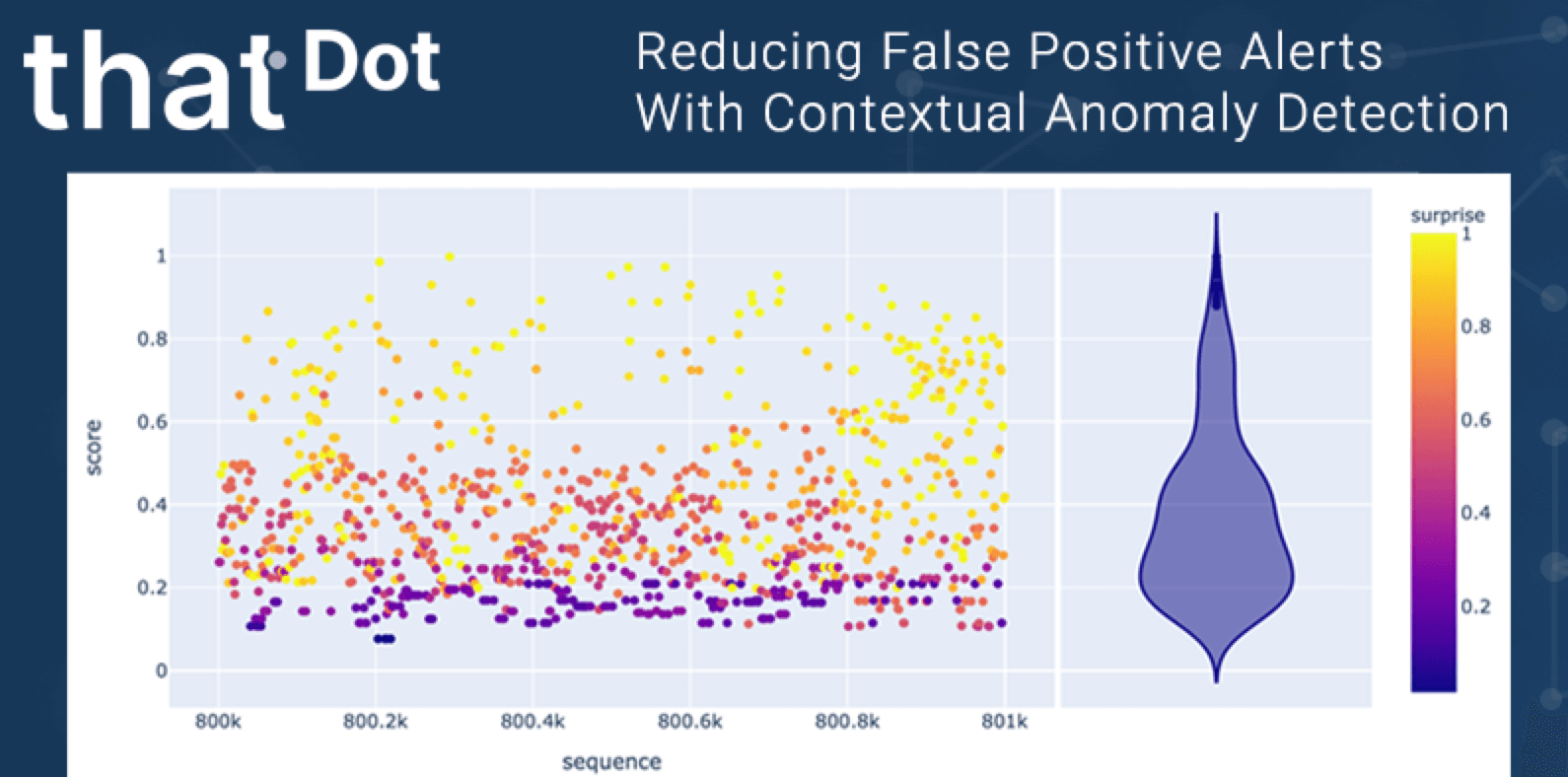
Destructive attack campaigns succeed because they integrate new techniques or new hardcoded credentials to access and victimize their targets.
The move to the cloud represents new challenges for enterprise security teams. Use thatDot Novelty Detector to detect the attack quickly.
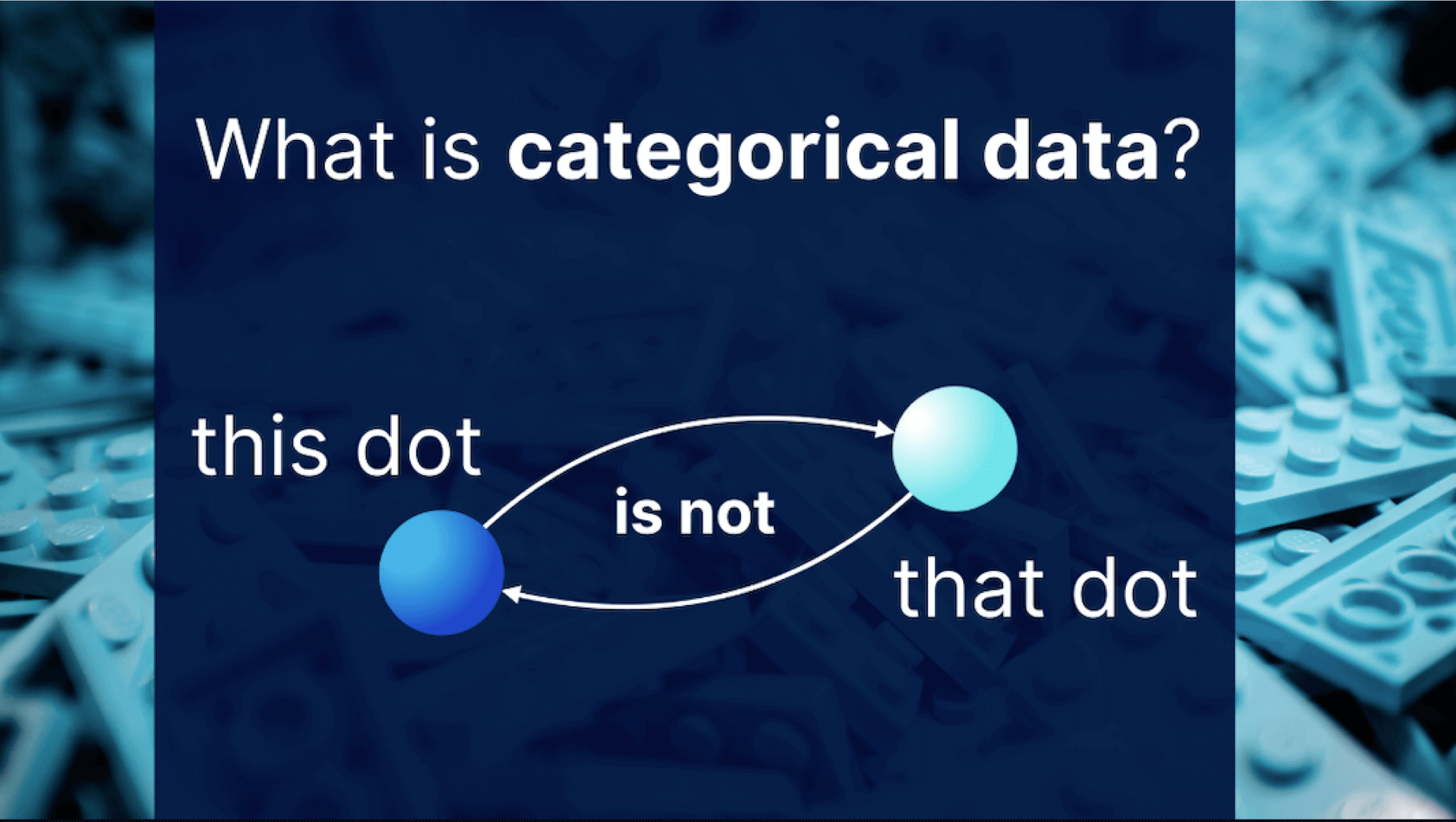
Data comes in two flavors: Numeric and Categorical. Numeric data is easy, it’s numbers. Categorical data is everything else.
thatDot’s real-time Novelty Detector for categorical has updated its data exploration and data transformation capabilities.
thatDot is excited to share the general availability of the world’s first system for real-time categorical anomaly detection.
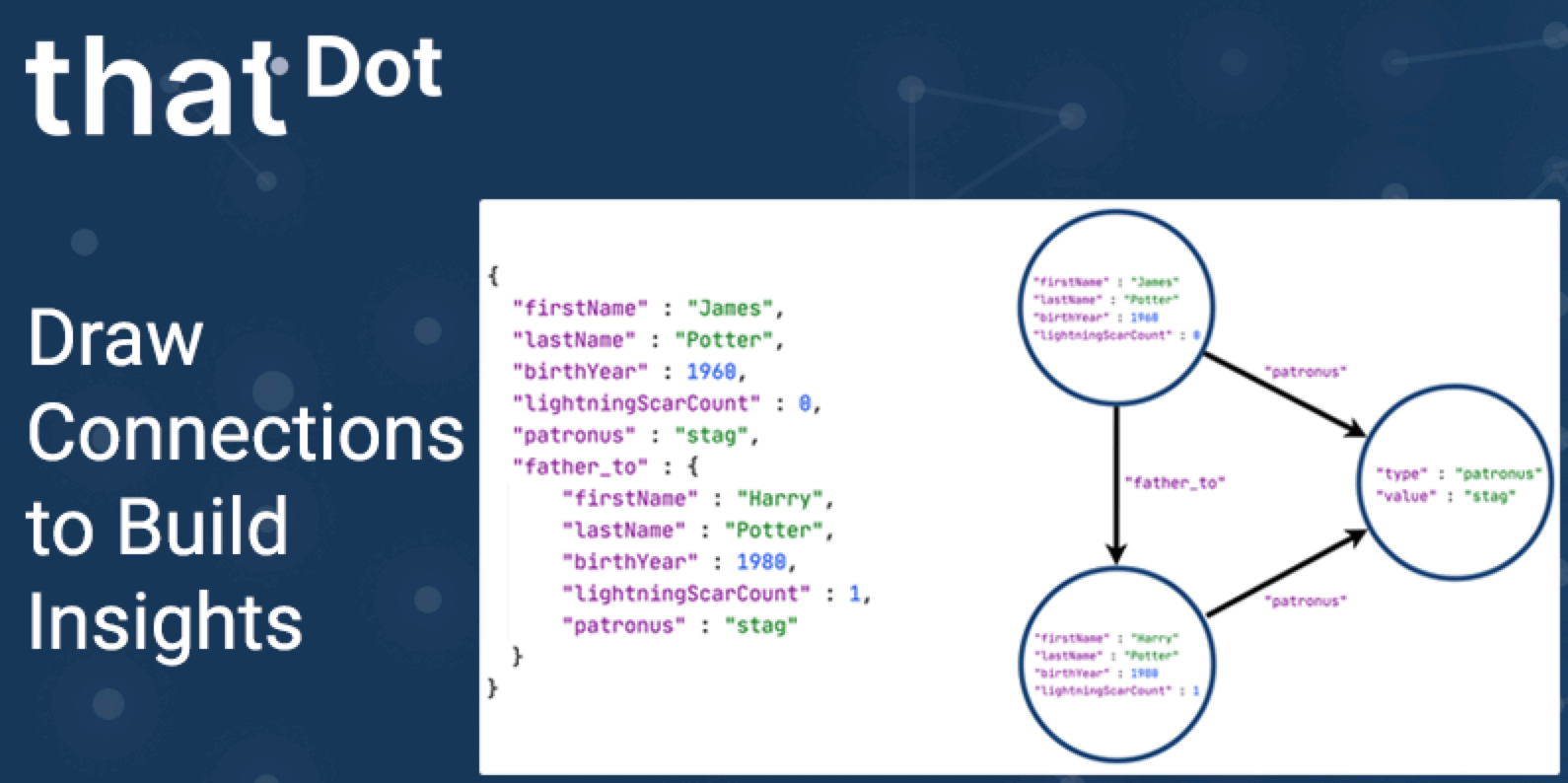
We introduced the term “3D Data” as a mnemonic and a way to think about streaming data processing that incrementally builds toward human-level data questions.
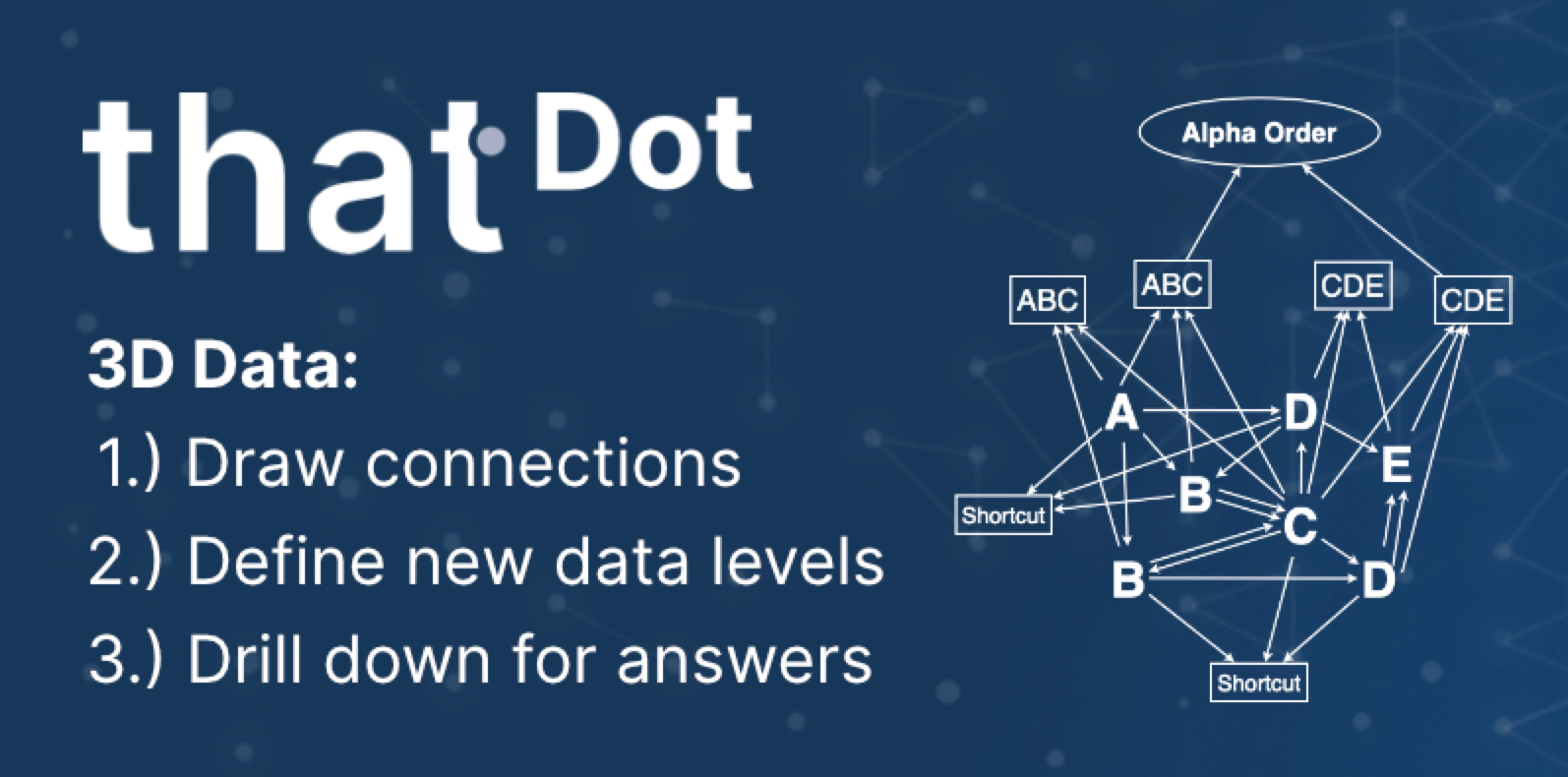
Draw Connections, Define Data, Drill Down
Imagine if the next time your video streaming operations dashboard-of-choice warns you that 100 users experienced video start failures in the last minute,
That word… ”that.” It’s how you point with a word. What better way to express what you mean than by directly pointing?
thatDot, announces a $2M funding round led by Oregon Venture Fund (OVF), with participation by Hale Capital Partners and Galois, Inc.